Waterproof Micro Switch Buying Tips for Optimal Performance?
In today's technology-driven landscape, the demand for reliable and efficient components is paramount. The Waterproof Micro Switch has emerged as a crucial part of various applications, from industrial automation to consumer electronics. According to a recent market analysis, the global micro switch market is projected to grow by 5% annually over the next five years. This growth highlights the importance of selecting the right type of micro switch for specific needs.
Choosing a Waterproof Micro Switch can be challenging. It is essential to consider performance factors like sealing effectiveness, response time, and durability. Reportedly, less than 50% of users are satisfied with their initial choices. This points to the need for careful evaluation and research before making a purchase. Understanding the expected environment for the switch helps in determining the need for waterproof features.
While many products boast high-quality ratings, not all deliver the promised performance. Reviews often reveal common pitfalls such as inadequate sealing and inconsistent actuation pressure. Users must approach their selection process with a critical eye, ensuring that they align features with real-world needs. Investing time in this process can significantly enhance the operational lifespan of a Waterproof Micro Switch.
Understanding the Basics of Waterproof Micro Switches
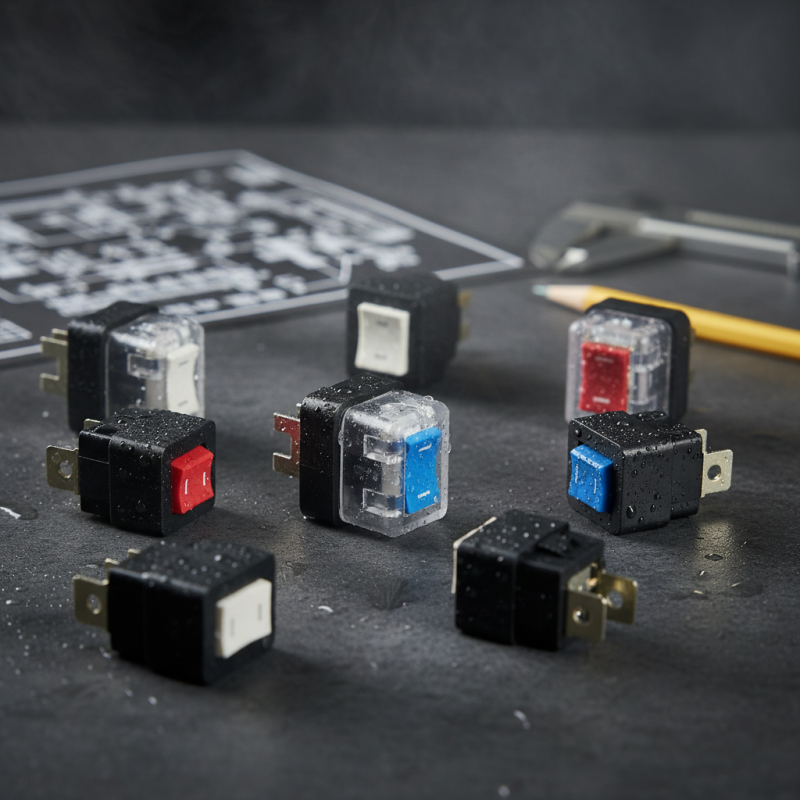
Waterproof micro switches are essential for many applications. They are designed to withstand moisture and dust. Understanding their features is key to making the right choice. These switches often have sealed housings. This protects the internal mechanism from environmental factors. They are commonly used in automotive, marine, and outdoor equipment.
When buying a waterproof micro switch, consider the IP rating. It indicates the level of protection against water and dust. A higher IP rating typically means better durability. Check for the operating temperature range as well. Some switches may not function well outside their specified limits. It’s crucial to ensure they fit your intended use.
Tips: Always test your switches in real conditions. Sometimes, they may not perform as expected. Don't be afraid to experiment with different models. Each application could require a unique solution. Look for feedback from users. Real-world experiences can highlight potential issues.
Identifying Key Features for Optimal Performance
When selecting a waterproof micro switch, identifying key features is essential for optimal performance. One vital attribute to consider is ingress protection (IP) rating. This rating indicates the switch's resistance to water and dust. A higher IP rating ensures better durability in harsh environments. Look for ratings like IP67 or IP68 for maximum protection. Checking the operating temperature range is just as crucial; it helps the switch perform reliably under different conditions.
Next, consider the actuator type. Different actuator styles can impact the switch's sensitivity and ease of use. Some might favor a button while others may prefer a toggle or rocker design. It's important to choose an actuator that fits your application's needs. Additionally, pay attention to the switch's lifespan. Some switches may fail prematurely without proper specifications. Testing a sample in real-world conditions can be enlightening.
Finally, review mounting options and compatibility. A switch should easily integrate with existing equipment. Finding the right size and configuration may seem simple, but it can save time and frustration. Reflect on these features to ensure you make the best choice for your project.
Evaluating Different Types of Waterproof Micro Switches
When choosing waterproof micro switches, it's essential to understand the types available. There are various designs, each with unique characteristics. Some switches are sealed with silicone or epoxy, ensuring water resistance. Others use membrane technology, providing a different level of protection. Each type serves specific applications. Understanding these differences helps in making informed choices.
Consider the environment where the switch will be used. In certain settings, humidity might not be a major factor. However, in other areas, water exposure is inevitable. It's crucial to select a switch that matches these conditions. Not every waterproof micro switch is created equal. Some might be more effective at resisting liquid than others, causing potential issues for reliability.
The materials used for construction also matter. High-quality materials enhance durability and longevity. However, some less expensive options might not hold up as well over time. This could lead to failures in critical systems. Users should weigh the cost against potential risks. The choice of a waterproof micro switch isn't just about performance; it's also about understanding limitations and the possible need for replacements.
Tips for Choosing the Right Waterproof Micro Switch for Your Needs
Choosing the right waterproof micro switch is crucial for optimal performance in various applications. It ensures durability and reliability, especially in harsh environments. Here are some helpful tips for your selection process.
Consider the switch's sealing type. Look for IP ratings like IP65 or IP67. These ratings indicate the level of protection against water and dust. A higher rating usually means better protection. Assess the operating temperature range as well. Extreme temperatures can impact performance, so choose switches fit for your environment.
Another aspect is the actuation force. The required force can vary based on the application. Test different force levels to determine what feels right. Sometimes, users might mistakenly assume one switch fits all needs. It’s important to reflect on specific operational requirements. Check the electrical ratings as well. Ensure they align with your system's voltage and current needs to prevent malfunction.
Waterproof Micro Switch Performance Comparison
Maintenance Practices for Longevity of Waterproof Micro Switches
Waterproof micro switches are essential in various applications. To maintain their optimal performance, regular maintenance is crucial. According to industry reports, over 40% of micro switch failures result from improper upkeep. Ensuring these components are clean and dry can greatly extend their lifespan. A simple wipe with a lint-free cloth can remove dust and debris. Regular checks for signs of corrosion or wear are important, especially in humid environments.
Temperature fluctuations can also impact performance. Maintaining stable temperatures can prevent moisture buildup inside the switch. It’s important to ensure good ventilation in storage areas. Furthermore, using protective covers during non-operational periods can help reduce wear and tear. Studies show that micro switches serviced every six months tend to have a 30% longer lifespan compared to those that are neglected.
However, achieving optimal performance isn’t always straightforward. Sometimes, users overlook subtle indicators of malfunction. Noticing these early warning signs can prevent more significant issues later. Regular monitoring and timely replacements are essential for reliable operation in critical applications. Adopting these practices can significantly enhance the longevity of waterproof micro switches.