How to Choose the Right PV Combiner Box at China Import Expo?
Choosing the right PV Combiner Box is critical for solar energy systems. The PV Combiner Box plays a crucial role in ensuring the efficiency and safety of solar installations. A report by Grand View Research highlights that the global solar energy market is expected to reach $223 billion by 2026, reinforcing the importance of high-quality components in this growing field.
At the upcoming China Import Expo, manufacturers will showcase various PV Combiner Boxes with different specifications. Attendees can use AI tools to find suppliers who meet essential certifications like ISO and CE. This technology not only streamlines the search but also improves navigation, enhancing efficiency within the massive 1.55 million square meters of exhibition space.
It's essential to consider the features of each PV Combiner Box. Factors such as voltage ratings, current capacity, and environmental considerations must not be overlooked. Many buyers often rush into decisions, neglecting to evaluate these critical aspects. Ultimately, informed choices can lead to more reliable and effective solar installations.
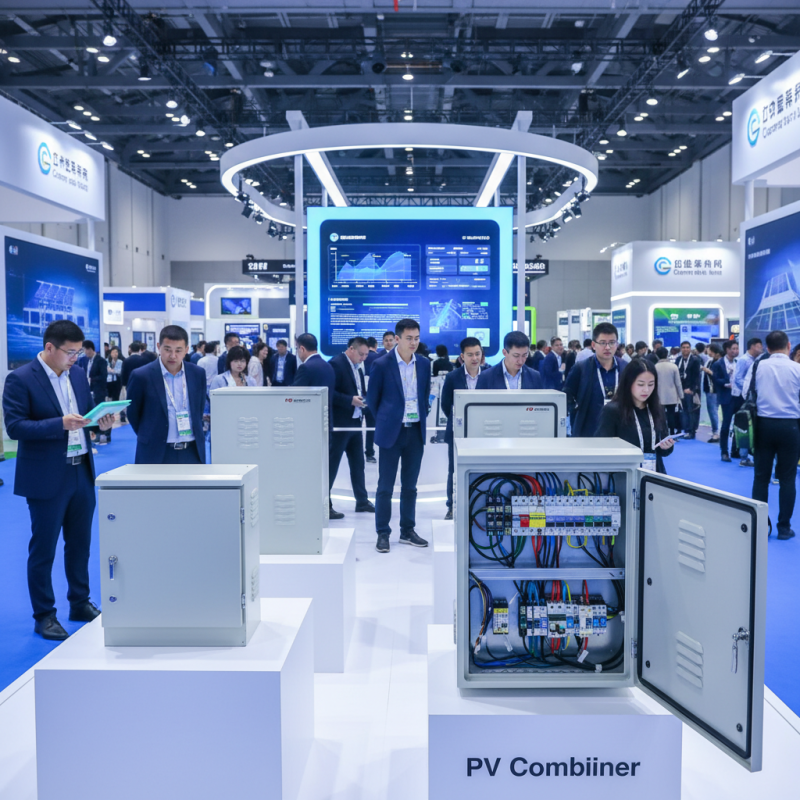
Understanding the Basics of PV Combiner Boxes in Solar Systems
PV combiner boxes play a crucial role in solar systems. These devices consolidate multiple solar panel strings. Efficiency is key. A well-designed combiner box can improve overall energy output. Studies show that effective combiner box designs can reduce energy losses by up to 5%. This is critical as every watt counts in solar energy generation.
When selecting a combiner box, consider factors such as voltage ratings. Many systems operate at 600V or higher. Ensure compatibility with your solar panel array. Also, focus on environmental ratings. Some boxes are rated for harsh conditions. Outdoor settings can expose devices to extreme temperatures and moisture. Reports indicate that improperly rated combiner boxes can lead to failures, resulting in significant downtime.
It's important to weigh costs against performance. While cheaper options may seem appealing, they could lead to higher maintenance expenses. Understanding the specific requirements of your installation is crucial. An informed decision can translate to better system reliability. Take time to analyze your options. Rushing this choice could lead to unnecessary complications down the line.
Key Specifications to Consider for PV Combiner Boxes at Import Expo
When choosing a PV combiner box at the China Import Expo, there are key specifications to keep in mind. Start with the input and output configurations. Ensure that the box can handle your solar panel setup. Look for models with multiple inputs if you have several panels. Another important factor is the rated current. It should match your system's requirements. Oversized or undersized models can lead to inefficiencies.
Next, consider the enclosure rating. A high IP rating indicates good protection against dust and moisture. If your installation site is harsh, prioritize durability. Check the materials used in construction. Corrosion-resistant materials tend to last longer. Installation features are also crucial. Look for easy access points for maintenance. Some boxes may appear user-friendly but lack essential features.
Thermal management is often overlooked. The internal design can impact heat dissipation. If it overheats, it could affect performance. Pay attention to reviews or feedback from other users at the Expo. These insights can guide your choice, preventing potential mistakes. Investing time in these specifications ensures better efficiency and longevity for your solar projects.
Key Specifications to Consider for PV Combiner Boxes
Assessing the Electrical Ratings and Safety Standards of Combiner Boxes
Choosing the right PV combiner box is crucial, especially when attending events like the China Import Expo. The electrical ratings and safety standards of these boxes must be thoroughly assessed. Underestimating these factors can lead to safety hazards. Voltage ratings, current capacity, and fuse sizes should align with your solar panels. Miscalculations can result in equipment failures.
Tip: Always check for certifications. Look for boxes that meet or exceed local electrical codes. This can save you from potential legal issues and ensure safety.
Pay attention to the design as well. A combiner box should provide adequate protection against environmental conditions. Exposed components can lead to failures over time. Think about the installation location. What works in one site may not work in another.
Tip: Consider user reviews. They often reveal real-world issues that specs don’t cover. Understanding feedback can help you avoid costly mistakes. Safety should never be an afterthought; prioritize it in your selection process.
How to Choose the Right PV Combiner Box at China Import Expo? - Assessing the Electrical Ratings and Safety Standards of Combiner Boxes
| Parameter | Value | Standards Compliance |
| Input Voltage Rating | 1000 VDC | IEC 62109 |
| Rated Current | 60 A | UL 1741 |
| Protection Class | IP65 | IEC 60529 |
| Operating Temperature Range | -25°C to +60°C | No specific standard |
| Short Circuit Protection | Yes | UL 489 |
| Surge Protection | Optional | IEC 61643 |
| Materials Used | Aluminum or Galvanized Steel | Material Safety Standards |
Analyzing the Cost-Benefit Ratio of Various PV Combiner Box Models
Selecting the right PV combiner box can be challenging. The cost-benefit ratio plays a crucial role in this decision. Various models are available, each with its unique features and pricing. Research shows that basic models may cost around $200, while advanced ones can reach $700 or more.
Budget constraints are often a concern. Make sure to consider not just the upfront cost but the long-term savings on maintenance and energy efficiency. For instance, a high-quality combiner box could enhance system performance and reduce downtime. According to industry reports, a reliable combiner box can boost energy output by up to 5%.
Tips: Look for a model with built-in surge protection. This feature can save you from costly repairs. Evaluate the warranty period offered. A longer warranty often indicates greater confidence in product durability.
Whitespace in the market suggests that some lesser-known brands may provide good value. However, it's essential to analyze performance data critically. A low price doesn’t always mean quality. Some models may fail to meet safety standards.
Identifying Reputable Manufacturers and Suppliers at China Import Expo
Choosing a reputable manufacturer for your PV combiner box is essential. A recent report indicates that roughly 65% of solar installers prioritize quality when selecting components for projects. The China Import Expo offers a unique opportunity to evaluate suppliers firsthand. Many manufacturers showcase their products and innovations at this event. It enables better assessment of their reliability.
Tip: Look for manufacturers with certifications. Certifications often indicate adherence to industry standards. It’s a sign of credibility.
When assessing potential suppliers, consider their market reputation. Analyzing customer feedback can reveal a lot. Beware of suppliers with overwhelmingly negative reviews. This often suggests underlying issues with their products or customer service. Additionally, verify the manufacturer’s experience in the industry. A seasoned supplier tends to offer better support.
Tip: Ask for samples. Testing samples can help you gauge performance. It’s a practical way to ensure quality before making large orders.
Remember, selecting the right supplier affects your project’s success. Take the time to do thorough research. Purchasing from a questionable source can lead to expensive mistakes. Ultimately, choosing wisely is crucial for long-term success in solar projects.