What Are the Best Battery Connectors for Global Buyers?
The demand for reliable Battery Connectors has surged in recent years. According to a report by Research and Markets, the global battery connector market is projected to reach $1.2 billion by 2025, growing at a CAGR of 7.5%. This growth reflects the increasing reliance on portable electronics and electric vehicles. These connectors play a crucial role in ensuring effective power transfer and safety.
Dr. Emily Zhang, an industry expert in battery technology, notes, “The selection of the right battery connector can make or break the performance of modern devices.” Efficiency and compatibility are key factors for global buyers. They face diverse options, from simple wire connectors to sophisticated locking connectors. Each type serves specific applications, which complicates the selection process.
However, buyers should be cautious. Not all connectors meet the rigorous quality standards required for optimal performance. Subpar connectors can result in power loss and increased heating, which may lead to device failure. Thus, understanding the nuances of battery connectors is essential for making informed choices. It’s vital to balance cost with quality, as long-term reliability often outweighs initial savings in this competitive market.
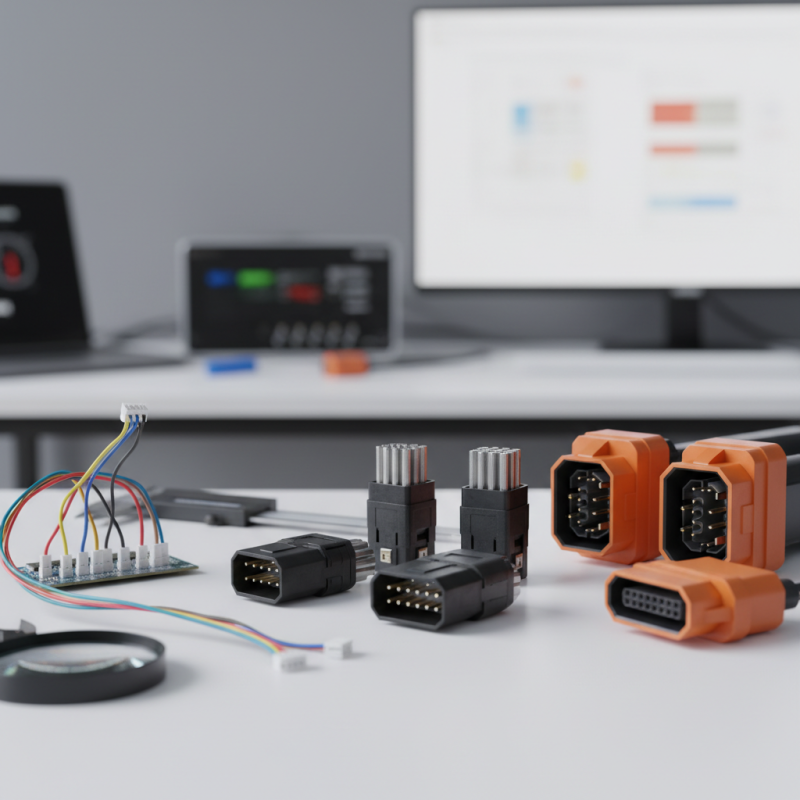
Overview of Battery Connectors: Types and Applications
Battery connectors play a crucial role in various applications. Understanding the types available helps buyers make informed choices. Common types include screw terminals, Anderson connectors, and JST connectors. Each type has unique characteristics suited for different applications.
Screw terminals provide a strong, reliable connection. They are often found in automotive and industrial systems. On the other hand, Anderson connectors are popular in portable power applications due to their ability to handle high current. According to industry data, connectors with a 30A rating are frequently used in solar energy systems.
JST connectors are favored in electronics and small devices. Their compact size allows for efficient space management. A report from Electronics Weekly indicates that smaller connectors are increasingly in demand as devices become more miniaturized. Users must consider factors like current rating, size, and environmental conditions when selecting a connector. It is sometimes difficult to balance these requirements effectively, leading to potential inefficiencies.
Key Considerations for Selecting Battery Connectors
When selecting battery connectors, several key considerations come into play. Compatibility is essential. Ensure that the connector suits the specific battery type you are using. This will affect performance and reliability. Also, consider the current rating. Different applications require specific current capacities. Choose connectors that can safely handle the intended load without overheating or failing.
Next, look at the material quality. Connectors made of high-quality metals, such as copper or gold-plated contacts, can enhance conductivity. This improves performance. Additionally, consider environmental factors. Will the connectors be exposed to moisture, dust, or extreme temperatures? In such cases, selecting connectors with suitable insulation and sealing features is crucial.
Finally, think about ease of use. Connectors should be user-friendly for quick assembly and disassembly. Poor design can lead to frustration and delays. It might be tempting to choose the cheapest option, but this often backfires. Low-quality connectors can lead to poor performance and increased maintenance. Balancing cost, quality, and practicality will yield better long-term satisfaction. Always reflect on your decisions and adjust as necessary.
What Are the Best Battery Connectors for Global Buyers? - Key Considerations for Selecting Battery Connectors
| Connector Type | Material | Current Rating (A) | Voltage Rating (V) | Application |
| Anderson Powerpole | Copper | 45 | 600 | RC, EV |
| XT60 | Gold Plated Copper | 60 | 14 | Drone, RC |
| Deans T-Connector | Copper | 60 | 11 | RC, Robotics |
| Molex | Plastic/Copper | 5-10 | 250 | Consumer Electronics |
| Anderson SB Series | Copper | 120 | 600 | Industrial, Renewable Energy |
Top Manufacturers of Battery Connectors for Global Distribution
When selecting battery connectors for global distribution, identifying top manufacturers is crucial. A good connector provides reliability and safety. Manufacturers that excel in producing high-quality battery connectors prioritize materials and design. They ensure durability and optimal conductivity. Many of these manufacturers focus on rigorous testing procedures. This guarantees their connectors can withstand various environmental conditions. Their experience in the industry is a significant asset.
Several manufacturers stand out in the battery connector market. They offer diverse product lines suitable for multiple applications. Some specialize in connectors for automotive uses, while others focus on renewable energy solutions. The challenges in this sector include meeting varying international standards. Yet, reputable manufacturers often have the required certifications. They invest in innovative designs to stay competitive.
Ultimately, finding reliable manufacturers requires research. Buyers should assess each manufacturer’s track record. Special attention to customer reviews can provide valuable insights. Engaging with experts in the field can lead to informed decisions. Performance under pressure is vital, but not all connectors meet this standard. Therefore, exploring different options may reveal hidden gems in the marketplace.
Comparative Analysis of Battery Connector Performance
When selecting battery connectors, performance is paramount for global buyers. A comparative analysis reveals diverse materials like solder, crimp, and screw connections, each with unique strengths and weaknesses. According to industry reports, crimp connectors provide superior mechanical strength. They can support higher currents efficiently, often rated above 30A in harsh environments. However, improper crimping can lead to failure.
Connector temperature rating matters significantly. For instance, connectors rated at 105°C often outperform those limited to 85°C. This can be crucial in high-heat applications. Additionally, the ingress protection (IP) rating is pivotal for connectors used in outdoor or damp locations. Connectors with IP67 ratings can resist water and dust, ensuring performance longevity.
**Tips:** Always check the manufacturer's specifications for optimal use cases. Ensure a correct fit for your application, as mismatched connectors can lead to overheating or failure. Regular inspections can identify wear signs and prevent unexpected outages.
Future Trends in Battery Connector Technology and Design
As battery technology evolves, so do battery connectors. Today, there is a growing focus on improving efficiency and reliability. Manufacturers consider materials that reduce resistance and enhance conductivity. Designs that minimize size and weight also gain attention. This allows for better integration within devices.
Future trends point toward smart connectors. These connectors could monitor battery health in real-time. They may communicate data about charge cycles and performance issues. This intelligence could help prevent battery failures. A growing demand for renewable energy sources further influences connector designs. Companies need connectors that can handle higher voltages and varied temperature ranges.
However, retrofitting existing systems can be challenging. Many engineers struggle with compatibility issues. Integrators often face limitations when adopting new technologies. This gap requires careful planning and testing. As the landscape changes, there will be a need for collaboration among designers, manufacturers, and users. By addressing these hurdles, the battery connector industry can move forward and meet global demands effectively.
Best Battery Connectors: Market Share by Type (2023)
This chart shows the market share distribution of different types of battery connectors in 2023, highlighting the growing trends in connector technology and design.