Top 10 Benefits of Using LED Screens for Your Business?
LED Screens have become a game-changer in the business landscape. A recent report by MarketsandMarkets indicates that the global LED display market is projected to reach $70.44 billion by 2027. This growth highlights the increasing reliance on LED screens for businesses across various sectors. According to industry expert Mark Jensen, “Investing in LED technology enhances visibility and drives consumer engagement.”
The advantages of using LED screens are numerous. They offer vivid colors, energy efficiency, and durability. These elements are crucial for creating captivating displays that attract customers. Many businesses have reported a significant increase in foot traffic after implementing LED screens. However, it’s also essential to consider potential drawbacks, such as the initial cost and the need for regular maintenance.
While LED screens can elevate brand presence, companies should evaluate their specific needs. Not every business may benefit equally from this technology. Striking a balance between investment and return is key. Investing in LED screens could be the turning point for many organizations, but thoughtful consideration remains vital.
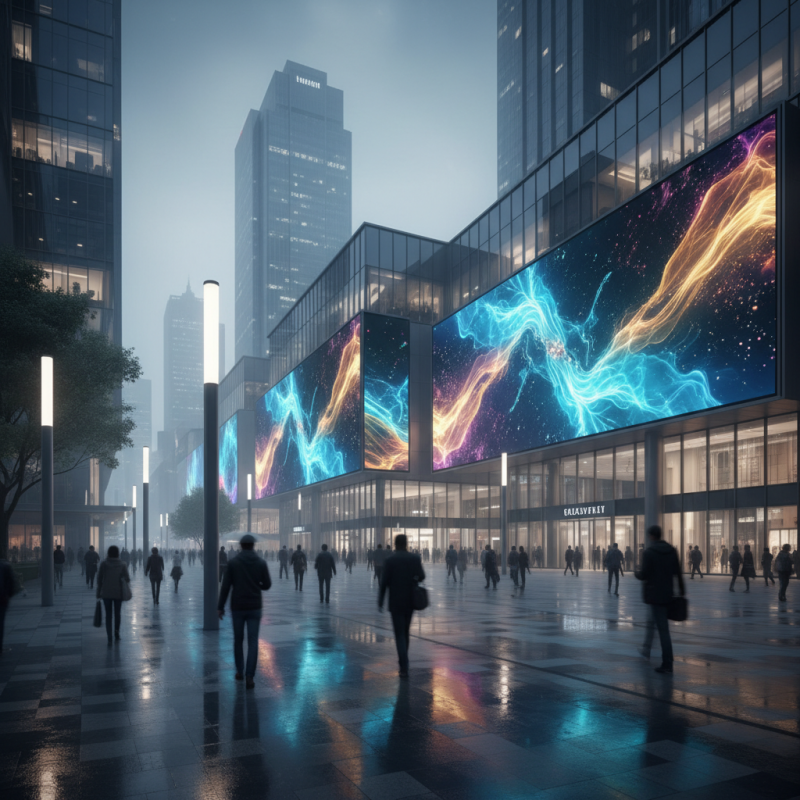
Benefits of Enhanced Visibility and Brightness of LED Screens in Business
LED screens have revolutionized how businesses communicate with their audiences. Their enhanced visibility is a game changer. High brightness levels ensure that your message stands out, even in direct sunlight. This makes them ideal for outdoor advertising. Clear visuals grab attention quickly, which is crucial in our fast-paced world.
Consider a retail store. A bright, colorful LED screen can attract passerby. It showcases promotions vividly, boosting foot traffic. In contrast, traditional signs may fade and become overlooked. The striking brightness of LED technology not only informs but also engages potential customers effectively.
However, simply installing an LED screen is not enough. Businesses must continually update content to maintain interest. A static message can become stale quickly. Regularly refreshing visuals can be challenging, yet it’s essential. This ensures the audience remains engaged and aware of current offerings. Balancing content updates with operational demands can sometimes feel overwhelming, but it's necessary for lasting impact.
Cost-Effectiveness: Energy Savings and Long Lifespan of LED Displays
When considering cost-effectiveness, LED screens stand out for several reasons. They consume significantly less energy compared to traditional displays. This reduction in energy usage translates to noticeable savings on electricity bills. Businesses can allocate those extra funds elsewhere, enhancing overall financial health. Moreover, LED displays boast an impressive lifespan. Many of these screens last upwards of 50,000 hours, reducing the need for replacements.
Beyond initial costs, the long-term impact of using LED displays is substantial. With fewer replacements, businesses save on maintenance and disposal. However, organizations must remain mindful of the initial investment. While the savings are evident, the decision to switch requires careful planning. Enhancing budget forecasts is essential. Adapting to new technology might also pose challenges for staff training.
Additionally, while LEDs are efficient, operating them efficiently requires knowledge. Poorly designed content can hinder the potential of the displays. Regular updates and maintenance are crucial for maximizing benefits. Adapting to the evolving landscape of digital displays shows commitment to innovation. Over time, the benefits of LED screens become clearer, both in cost and efficiency.
High Resolution and Image Quality: Impact on Customer Engagement and Branding
High resolution and superior image quality significantly enhance customer engagement. Research shows that 67% of consumers prefer vibrant displays over traditional signage. This preference directly correlates with increased foot traffic and longer dwell times. Businesses leveraging LED screens can create eye-catching visuals that attract potential customers. These visuals can convey messages quickly and effectively, capturing attention in busy environments.
Moreover, high-resolution displays improve branding efforts. A study from a leading marketing firm indicated that quality visuals improve brand recall by up to 40%. When businesses invest in clear and engaging images, they become more memorable. Even in competitive markets, distinct visuals can set a brand apart. Customers often associate high-quality visuals with reliability and quality service, further reinforcing their purchasing decisions.
However, not all implementations are flawless. Some businesses struggle with the initial investment costs. While LED technology is beneficial, the upfront expenditure can deter smaller enterprises. Additionally, if not regularly updated, content can become stale, leading to diminished engagement. Balancing quality and freshness in display content is crucial for sustained customer interest. Brands must regularly assess their approach to ensure maximum impact and effectiveness.
Impact of LED Screens on Customer Engagement
Versatility: Applications of LED Screens Across Various Business Sectors
LED screens are transforming how businesses engage with their customers. Their versatility spans various sectors. Retail stores use them for vibrant displays that attract foot traffic. Restaurants often deploy LED screens to showcase menus or special events, making the dining experience dynamic.
In corporate settings, these screens serve as powerful tools for presentations. They can create immersive environments for meetings or training sessions. Schools and universities are also leveraging LED technology to enhance learning. Projecting lectures or educational content becomes easier and more engaging with clear visuals.
However, challenges exist. Not every business is equipped for such technology. Installation costs can be daunting for small enterprises. Additionally, keeping the content fresh demands continuous effort. Such factors can hinder the potential benefits.
Despite these hurdles, the impact of LED screens remains significant across industries. Their ability to convey messages effectively can drive engagement and ultimately influence customer decisions.
Real-Time Content Updates: Benefits for Marketing and Customer Interaction
In today's fast-paced business environment, real-time content updates through LED screens can dramatically enhance marketing efforts. Businesses can instantly change promotions, announcements, or event information. This flexibility allows for timely responses to current trends or customer feedback. Speed matters. Companies gain a competitive edge by adapting their messaging quickly.
The ability to engage customers on the spot can significantly improve interaction. Imagine a customer walking by, drawn in by an eye-catching display. They see a limited-time offer or a dynamic product demo. This immediate engagement can lead to spontaneous purchases. However, the effectiveness of this strategy relies on the quality and relevance of the content. Without thoughtful messaging, even an impressive screen can fall flat.
Yet, businesses must consider their target audience when crafting this content. Oversaturating displays with information can overwhelm and deter customers. Striking a balance is essential. Simplified visuals and concise messages enhance retention. Real-time updates are powerful but require careful planning. Each business has unique needs. Reflecting on past experiences with content can guide future efforts.
Top 10 Benefits of Using LED Screens for Your Business
| Benefit | Description | Impact on Business |
| Real-Time Content Updates | Ability to change content instantly, aligned with marketing campaigns. | Increased customer engagement and response rates. |
| High Visibility | Bright displays that are easily seen in various lighting conditions. | Attracts more potential customers passing by. |
| Dynamic Advertising | Ability to showcase videos and animations for engaging ads. | Enhances effectiveness of advertising efforts. |
| Cost-Effective | Lower long-term costs compared to printed materials. | Reduces marketing expenses over time. |
| Versatility | Suitable for a variety of content types and events. | Flexible usage in different promotional scenarios. |
| Interactivity | Can incorporate touchscreens for customer interactions. | Improves the overall customer experience. |
| Brand Awareness | Prominent displays can increase brand visibility. | Strengthens brand recognition. |
| Environmental Benefits | Energy-efficient options reduce environmental impact. | Can align business with sustainability goals. |
| Event Promotion | Ideal for showcasing events in real-time. | Attracts larger crowds to events. |
| Enhanced Aesthetics | Modern look that elevates the business environment. | Creates a positive impression on customers. |